Post Script

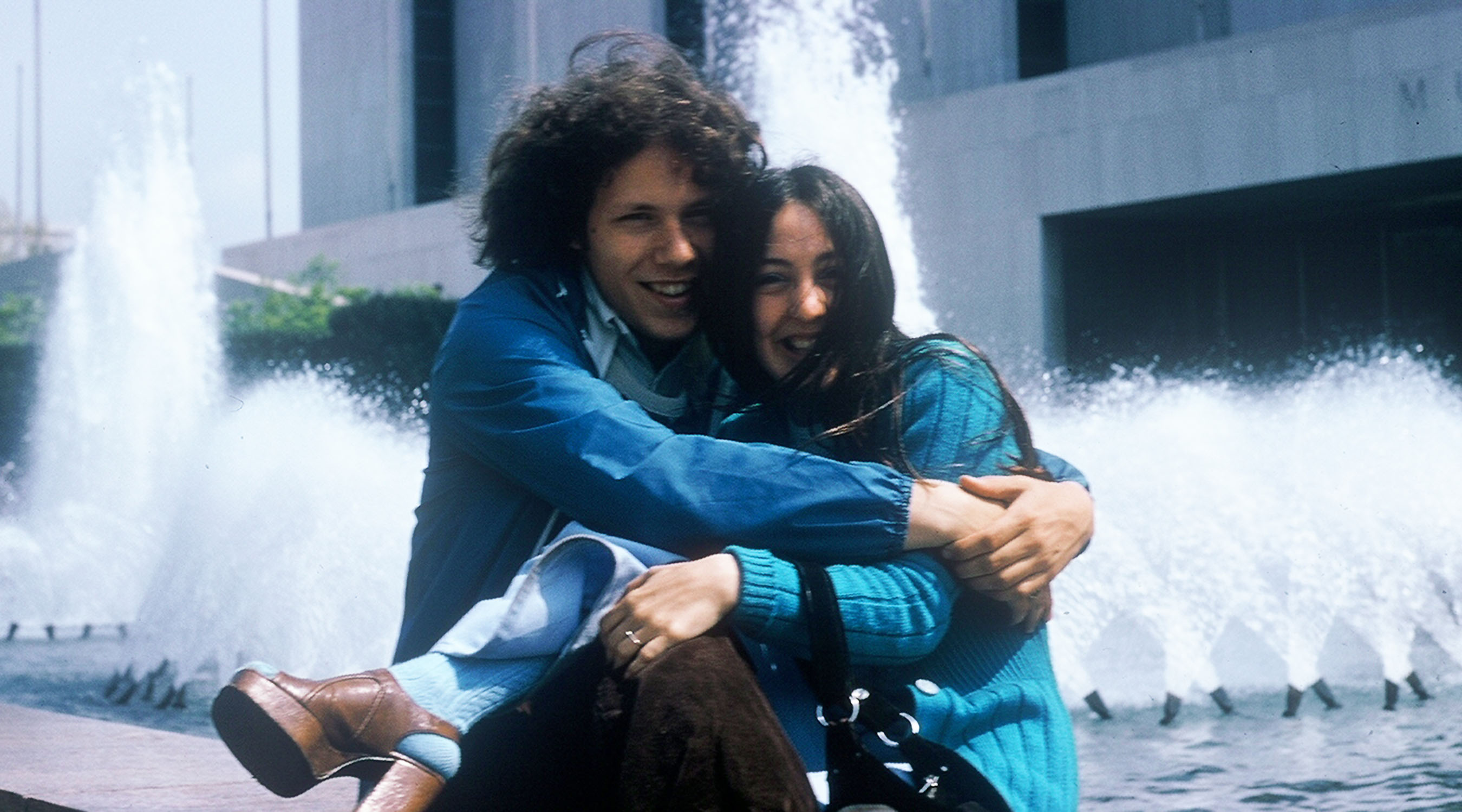
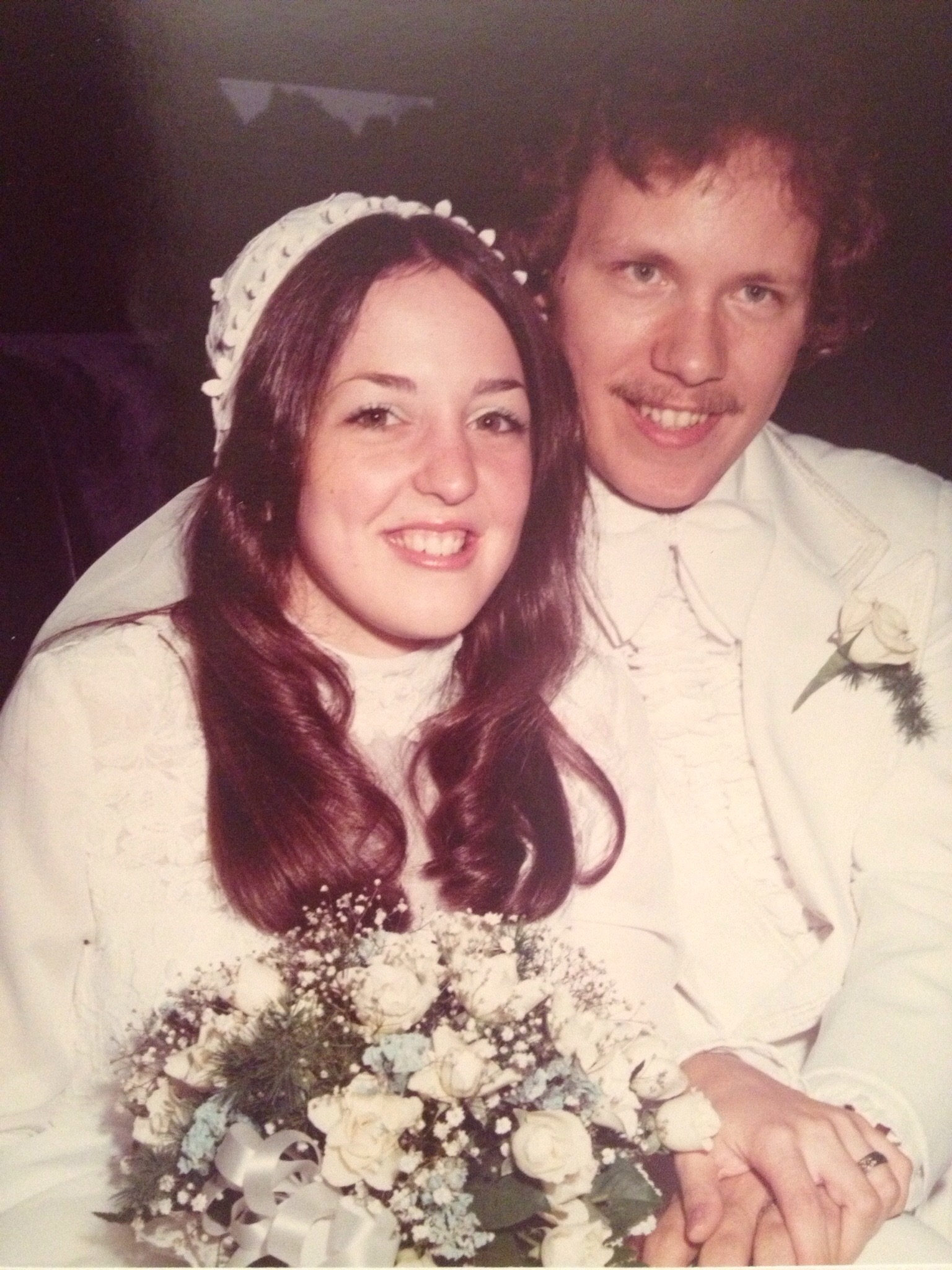
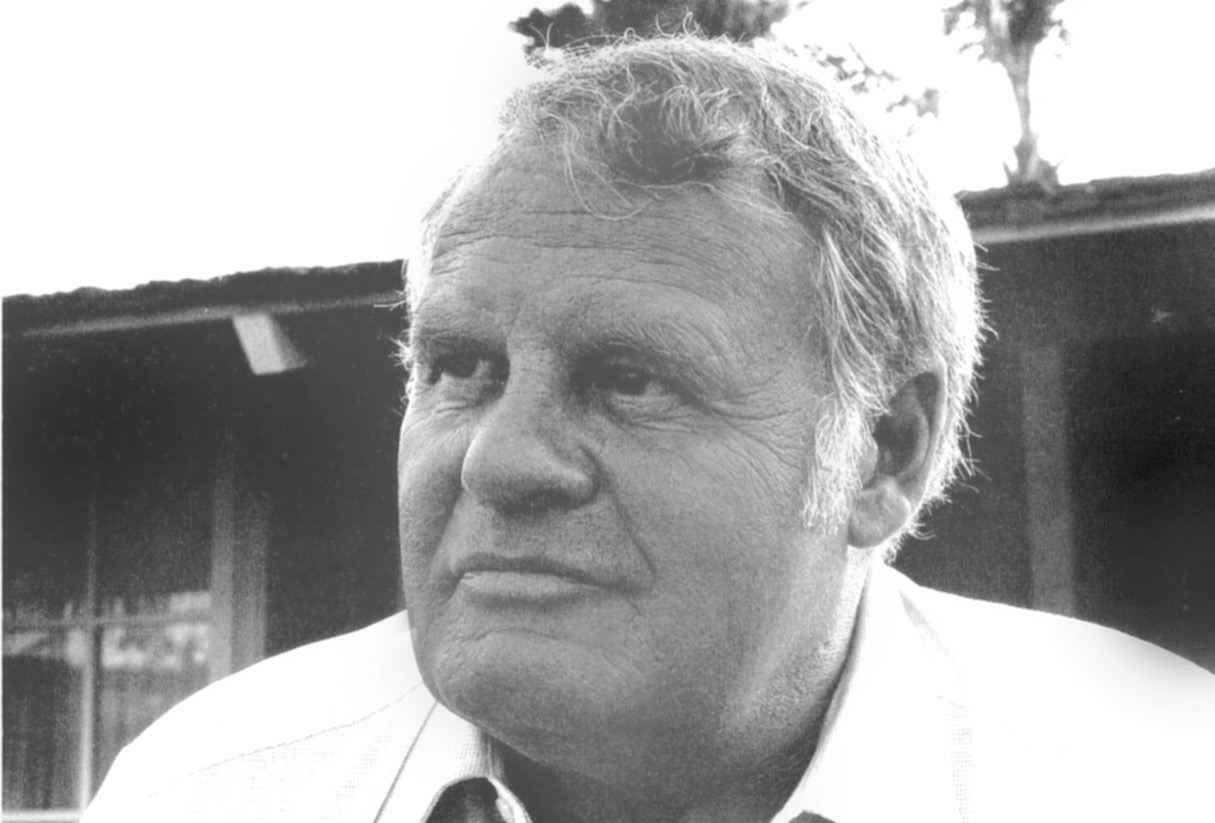
By the end of the 1970’s a lot had transpired. I was accepted and graduated from Temple University with a BA in Communications majoring in Radio/Television/Film. Robin earned a degree from MCCC in early childhood education and got a job as the head teacher of a pre-school classroom in inner-city Trenton. Dad married Liza and they rented a house in New Hope. I got a job working as an account executive at a radio station in Princeton. Robin and I were married in October 1976 and after honeymooning in Florida we settled in an apartment in Hamilton Township, NJ. Then I became a high school teacher in East Windsor, NJ for 4 years, providing training in photography, audio, and video production. Mom got a job as a bookkeeper at a nursing home in Princeton and continued to date a number of men. Lisa grew up, and made it through high school despite some rocky episodes. Brad and Kent were both married that decade as well. In January 1979 Dad died at the young age of 51 from an aortal aneurysm. For the most part, he died with few possessions and no money. The memories along with a few photographs, and a headstone in Rye, New Hampshire, are all that we have left of Boston Bob.

The next decade was all about kids, career, and houses. My daughter Emily Elizabeth (Emmie) and son Andrew William Robert (Drew) were born. Robin and I moved from an apartment, to a city home, to a suburban cape cod, then we uprooted to Hamden, Connecticut, and then Poughkeepsie, New York. I moved around as a manager and video producer with Fortune 500 companies, RCA and GE. I traveled to Europe, Hawaii, and the Far East for work. We joined a church and became very active. I played softball. Robin led girl and cub scout troops. Emmie played soccer, Drew played baseball. Busy, busy.

The nineties was even more change. I started my own company. Robin became the manager of a video store. More travel for me. Financial troubles. We got very involved in children’s theater on and off stage. Another job for me, this time for Norfolk Southern railroad. Another move, this time to Peachtree City, Georgia. Trying to fit in. A better quality of life financially, but the culture was hard to get used to. Drew starting to catch on to music, particularly drumming, but baseball and dirt biking takes up most of his free time. Emmie had school issues for the first time,  although she shined on stage under the spotlights.

Still more change in the 2000’s. Another move this time to Virginia Beach still with the railroad. More business travel than ever. Both kids got married and moved away. Robin started her own Nanny business for rich families who like the convenience of someone else actually caring for their children. Robin’s loving and caring parents both passed away in this decade. Robin and I began to travel more on vacation: Hawaii, Northern California, and Arizona. We got a purebred yellow labrador retriever as a gift from one of the families Robin worked for. We named him Lumpy, and with the empty nest now, he was the target of our daily love and affection which he returns times ten to this day.
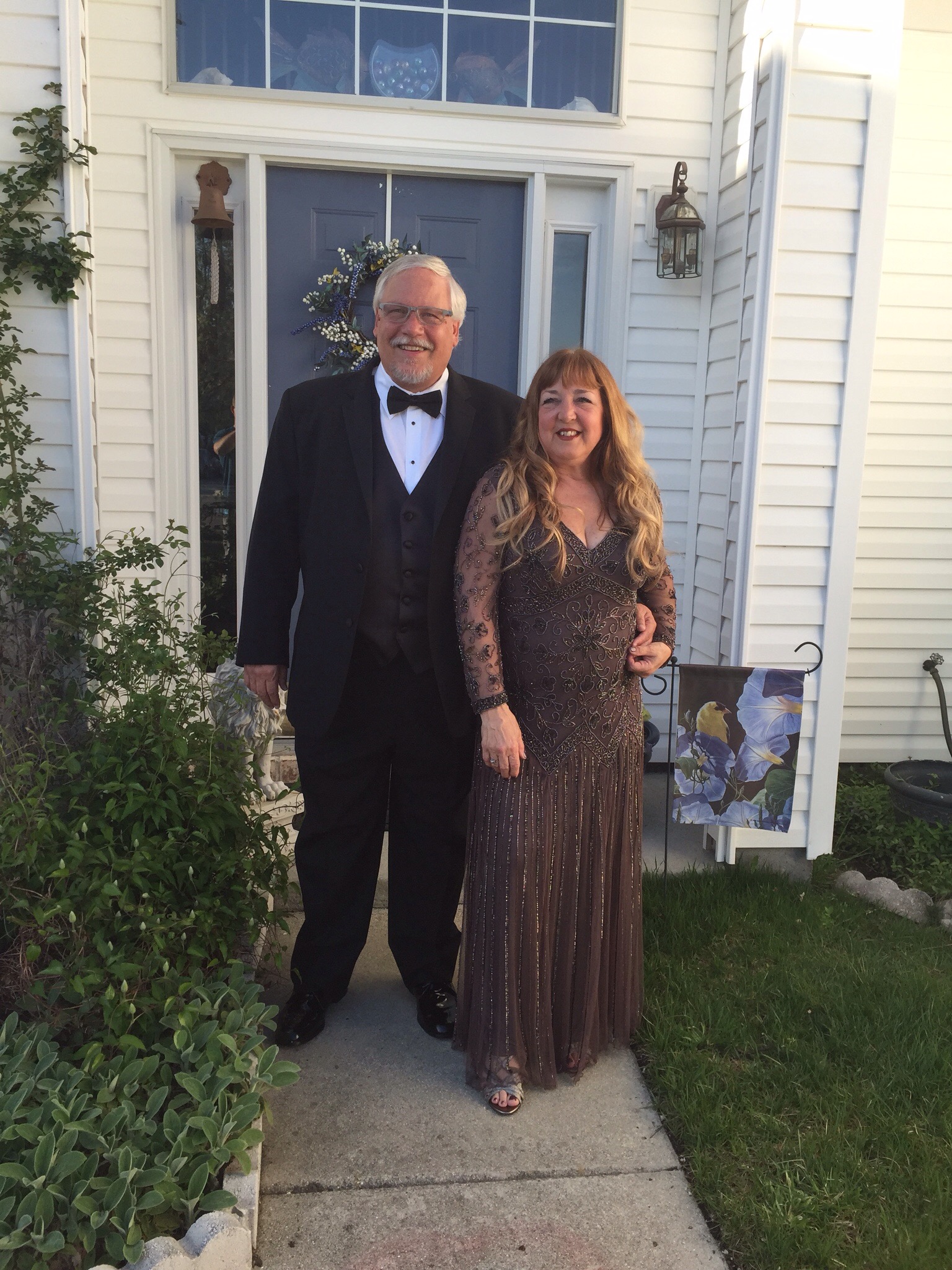
 

 This decade has not slowed down yet, but we’re only half way through. Mom is in an assisted living facility and having the time of her life playing water volleyball and bridge, and closely watching over her financial portfolio. Emmie got a divorce and remarried a better beau in Las Vegas. Drew and his wife Kristen bought a house in Virginia Beach as he continues to make music his chosen business and career. Emmie started her own theater company in Philadelphia. Robin’s photographing portraits and weddings. We’re all feeling the aging process for the first time. Robin, Lumpy, and I all make sounds when we stand, and curse when we have to bend over to pick something up off the floor. My bride and I traveled to Paris, Luzern, Salzburg, Cancun, New Orleans, Nashville, Cleveland, Key Largo and took a cruise with the kids to the Bahamas. We’re still in love, and God willing hope we can both stick around  for several more decades together. Whenever I do go, I won’t regret a single thing I’ve experienced on this Earth. After all, I’ve been a very lucky man.

The Things I Learned from 1967-1972

  • Lying, particularly to build yourself up or protect your pride is a fool’s journey.
  • You can accomplish more than you know, just by putting yourself out there.
  • If you don’t pay attention to things going around you, you may miss a once in lifetime opportunity or experience.
  • Creating things with others can be rewarding and fun.
  • Certain jobs are not for everybody.
  • I don’t need booze, drugs, or cigarettes.
  • Sometimes the greatest events in your life occur very quietly with little no fanfare at the time.
  • Good things come in small packages.
  • Being different from everybody is okay.
  • Be with uplifting people who make you feel good about yourself.
  • Parents can play a big role in nurturing your talents and passions. They can also set an example. An example of what to do and be, and what not to do and be.
  • Always be true to your wife. A single misstep can ruin your life and others around you.
  • Sometimes there is a need to set up a plan, roll up your sleeves, and get to work.
  • Everything around you is temporary. Nothing is forever. Not me, not you. Nothing we perceive is permanent.

The Turning Point

It is 1972, I was 19 years old and my life was about to change dramatically. Kent was in town from hitchhiking across the country. It was Sunday and I was getting ready to see Robin and then set out to work at Charley’s Brother. Dad was not around. Mom called all three of her young adult sons into the den and informed us she had something serious to talk about. I immediately thought about the grandparents. Instead she said that Dad had come home the night before and asked for a divorce. He was drunk again, and she couldn’t take it anymore, so she said “okay.” One of us asked about Lisa. Mom said she and Dad would talk to her together privately, but that they wanted us to know first. She explained that they would legally separate and Dad would live in the house until they could sell it. Then they would go separate ways and live apart. One of us asked why, and she said Dad didn’t give a reason. But, she said, she couldn’t live with an alcoholic anymore and admitted to seriously contemplating suicide several times. She said something about her going to Al-Anon, a recovery group for spouses of alcoholics, and suggested we go to Al-Ateen for children of addicted adults. Finally Mom mentioned that she and Lisa would probably visit her parents in Kansas to clear their minds and figure out how they’re going to survive. I recall being stunned by the news and felt like it was bad dream. Why would Dad do that? Why would Mom say “okay?” Sell the house? How is Lisa going to take this? What am I going to do? I called up Robin and sped to her house. I remember crying and telling her that my future — our future, has been destroyed. To her credit, Robin stayed calm and supportive. She said that if I had no place to go she was sure her parents would take me in. I lamented that I’d have to get a full-time job like my brothers and quit college. She said no, we’ll have to find a way. Besides, your Mom and your sister need you around and will need your support even more as the house is sold and there will be no man around to help. I’d argue, “that’s why I need a full-time job, I don’t even have my own car. My parents are in financial trouble and Mom hasn’t worked her whole married life. She has no degree, no skills, no experience. She, Lisa, and I will be poor and destitute.” Robin assured me everything will be okay. That week, a realtor visited the house to put it on the market and Dad moved into Kent’s bedroom. I tried to stay away from the house as much as I could. Mom and eleven-year-old Lisa flew off to Kansas to “vacation” and think about plans for the future. While they were gone, Robin and I painted Lisa’s bedroom bright orange and yellow and even created a mural with a happy sun on it. When they returned about a month later Mom had a plan in place. She would start dating as soon as possible, buy a new mobile home and car from the proceeds off the house, and go back to school while working full-time to support all three of us while I was going to college. The grandparents said they would give me money for college, although I would have to keep a part-time job to put gas in the car and go out on dates with Robin. Eventually we sold the house. My drum set and the player piano were sold. We packed up the house and moved to a brand new mobile home park in Morrisville, Pennsylvania where she bought a brand new single mobile home with a tip out for $12,000. It had three small bedrooms and a bath. It also had a shed in the back. Dad asked the woman he had an affair with, our neighbor Mrs. O’Donnell to marry him, and she turned him down. He found a condominium at Village 2 in New Hope and started dating a thrice divorced old friend, Liza Johnson, my parents’ neighbor from Newton, Massachusetts. They were compatible because she didn’t care if he got drunk – she was an alcoholic herself. Mom did as she planned: got a full-time job at Educational Testing Service (the SAT people), took bookkeeping classes at the community college, and started to date men. Unfortunately, most of these men were carbon copies of the worst part of Dad: alcoholic, self-involved, and cocky. I tried to do what I could to help out. I signed up Lisa for school and took her there for her first day at Fallsington Elementary. Robin and I helped decorate the mobile home, hung curtains, and landscaped the property. I also mowed the lawn, took out the trash, and watched over Lisa as best I could. Until she bought her new Volkswagen, I drove Mom to work every day. Brad got out of the house and moved to New Brunswick. Kent moved to California where he resides to this day.

I said at the beginning of this blog that I learned more from adversity and turmoil than I ever learned in peace and harmony. From this moment on, I would learn a lot about myself, and a lot about what it takes to survive in this world without money, advantage, or a safety net. As I approached my 20th birthday, life was going to get real not only for me, but for my family. I had a new role to play in a game I didn’t know the rules to.  I was just thankful to have the support of my girlfriend, my immediate family, my generous grandparents, and Robin’s family. Without them I would have been lost and destitute. With them, there was hope and a prospect for a better future, a better life. I was lucky after all.

Dad’s Delusions of Grandeur

  While I was in the process of growing into an adult and discovering my place in the world, Dad’s drinking had escalated to a point that he was drinking heavily everyday. This was taking a toll on every part of his life and the lives of everyone around him. Mom was being put down everyday. At work he demanded a better job and more money from his employers. Mysterious dents were seen on his car in the morning after a bender. He had blackouts regularly. His weight had ballooned. He continued to light one cigarette off the other. He would talk wildly about schemes to make himself rich. He was in his late forties, and his life was unraveling in front of us. He lost his job at Cardox because he said he didn’t get the promotion he demanded. He was unemployed for about six weeks, and finally found a job at Falcon Safety Products in Mountainside, NJ. When he was home he was often seen lying on the couch or in his easy chair doing the New York Times crossword puzzle, reading a book, or watching TV. Dad always had a lit cigarette and a cocktail nearby. His red eyes and slurred speech communicated how long he’d been drinking. He rarely asked about me or Robin, or volunteered information about himself. He was in his own little world. As he drank his mood would often swing wildly, from gregarious and funny, to somber and critical. I remember him meeting Robin for the first time. He put his arm around her and told her how cute she was with a big smile on his face. One time when he came home from work, he saw my textbooks on the entry room table and yelled, “how many times do I have to tell you kids not to put your goddamn books here,” and he picked them up and threw them out the front door. When we ate together at dinner, he would use this time to share his opinions about world events, not asking anyone else’s opinion. No doubt, he was a smart man. He had the best educational foundation a person could have. Dad was well read. I saw the best and worst of him during my lifetime. From a young man with a sparkling personality, confident, quick-witted, intelligent, open-minded, classy, and successful. To a self-centered, entitled, unemployed, opinionated, addicted, weak, and bullying middle-aged man. A typical day for him was a reflection of his entire life – he would get up early dressed perfectly in a sharp $500 suit with a crisp white shirt and tie, sober and eager to take on the day at 7:00 a.m. The day would end with him coming in the door drunk at 7:00 p.m., clothes rumpled and tie undone. There were signs that things weren’t going well financially with us either. We had a drawer full of unpaid bills. I often heard Mom and Dad arguing about how they were going to make it through the next month. Things were broken around the house that never got fixed. Nearly every night Dad got drunk. He always started the day with a mixed drink but ended it with a tall glass of straight Vodka. I was in denial over most of this. I focused on my girlfriend, my studies, and my part-time work. In the back of my mind though, I knew this couldn’t continue, and it didn’t for long.

Washington, DC #2

DC M&R 1974

While I was in college, Robin and I decided to go to D.C. for Spring break. We really wanted to go together, but her parents would not approve of us going alone. So we invited another couple, Kevin O’Donnell and his girlfriend. We then talked to my Uncle Dean who lived there and asked if we could stay at his apartment. He said yes and Robin’s parents were satisfied we’d be chaperoned. We drove my 1966 blue VW Beetle all the way there. When we arrived we were delighted to hear Uncle Dean say the apartment is ours, that he would stay at a friend’s house so we could have his bedroom. Yes! So Robin and I, and Kevin and his girlfriend set out to see the sights together. Only thing was the other couple always wanted to sit and eat, and Robin and I wanted to explore. So after a day we decided to split company and allow them to eat to their hearts content, while we traipsed around the Smithsonian, the National Zoo, FBI Building, and the White House. When we got back to the apartment every night, they would usually fight and make-up constantly – a volatile relationship to say the least. In contrast, Robin and I got along extremely well, saw a lot of the sights, and overall had a ball with one another. It was during this trip that we realized that we should be together for the rest of our lives. We were very compatible and truly loved each other’s company. The apartment gave us an opportunity to play house a little. This experience made it clear that we could not only be partners in an intimate way, but also in a domestic way. From that trip on, Robin and I cemented our relationship and slowly moved to our inevitable engagement and marriage.

Community College

 While many of my fellow seniors were deciding where to go to college, I was pretty much set on trying out Mercer County Community College in Trenton. My SATs and GPAs did not allow me to pick any school,  and there were no other colleges in New Jersey that had a decent TV production program. MCCC on the other hand was inexpensive, close by so I could see Robin, and it had an established television production program. Dad’s cousin Priscilla Edwards was the librarian at Columbia University and when she heard what I wanted to do for a living. She sent me a number of the best 4-year communications programs in the country, USC, University of Missouri, Syracuse, and Temple University. I filed those away in case I might want to transfer some day. So I applied to community college. I was given a date and time to sign up for classes. At registration, they gave me a punch card with my name on it. My freshman counselor informed me most of the classes were filled already and that I had to take certain courses like communications, film, math, english, science, and electives to graduate. Then I walked around a large room buzzing with dozens of new students where there were administrators standing behind tables with boxes of computer cards in front of them. Each card represented a class seat. As I walked around I collected cards for a Communications 101, Film 101, signed up for English, and Trigonometry, making sure there were no scheduling conflicts. I then bought a ton of textbooks from the college bookstore. There was something different about the environment and the way people treated me that I couldn’t quite put my finger on. On the first day of class, I parked in the city lot, and walked to the various classes. There was no campus per se, just one main administration building. The rest of the classrooms were in buildings and storefronts spread out and around downtown Trenton. Periodically I passed by one of my old classmates from high school. Every classroom was packed with barely a place to sit. The professors were not particularly welcoming, and mostly just told us to keep up or drop out. So day after day I attended every class and took notes, and read what I was supposed to read. They would post the test scores outside the classroom door and a stunning thing happened — I was on the top of the chart in almost every class. I figured a number of things contributed to this:

  • Everyone was accepted into MCCC, so the bar was pretty low. Many of the students couldn’t read well.
  • I had graduated from an academic high school, and most of my classmates, primarily from Trenton and Ewing had not. So,  I knew how to study and take notes.
  • I was finally in a place where I could learn about what I loved and wanted to do for a living.
  • Maybe, just maybe, I was smarter than I gave myself credit for?

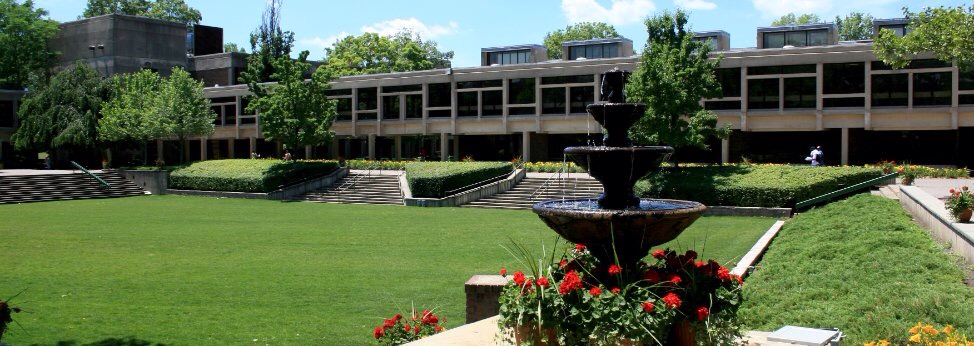
By the end of the year I had excelled in school, a lot of students had dropped out, and I was looking forward to taking my very first video production class. During this time a brand new campus was being constructed outside of Trenton in West Windsor. I was so excited! In the Fall the new campus opened up. It was a contemporary landscaped complex with a beautiful green quadrangle, a student activities building, a theater, an athletic complex, parking, and tons of new clean classrooms. The television facility was huge and was said to be the finest college studio in all of New Jersey. Being a sophomore, I had my pick of classes but still had to take a Chemistry class. My television production professor was a great guy who used to work at New Jersey Network as a director. He was a graduate of Temple University and talked up the program big time. I learned to be a crew member and direct basic productions and I ran camera for college soccer games. The Chemistry class didn’t work out though. It was taught by a Korean instructor who I could not understand, so I had to drop the course to save my GPA. By the end of the year I had a great GPA, but I didn’t have enough credits for a diploma. I applied to Temple University anyway, and was accepted. I was on my way! Thinking back, there was something that I couldn’t put my finger on about college life that I think I understand now. It was the first time I realized I was in a truly competitive environment, and I was on my own. I was just a number, and professors couldn’t care less whether I passed or failed, showed up for class, or even understood what they were saying. It was the first time I took a class and said to myself, “this is important. In order to be successful in producing and directing, I need to know and fully understand this.”  To this day, I think community colleges are the secret to success for people like me. It is relatively inexpensive, the facilities are oustanding, the instructors are good and have real world experience to share, and once you get through it you can go anywhere. Universities that accept transferrees from two-years colleges don’t look at high school stats and SATs. In their minds, you have already proven yourself, and the four-year degree looks exactly like everybody elses, only you spent thousands of dollars less. Good deal! In my case, MCCC  gave me a high-level of confidence that carried me throughout my academic experience and career. High school guidance counselors are dissuaded from sharing this information because many high schools pride themselves on the number of students accepted into 4-year college programs. Robin ended up up attending the same community college the next year and did even better than I did. When she met with her guidance counselor in her second year at at MCCC, he told her with her GPA, she could literally be accepted anywhere. Someone below her rank had recently been accepted to Princeton. Sister Lisa had gone through a community college program as well. She ended up going to Rutgers and finally earned her doctorate at Widener.

Going to Pot

 In the 60’s and 70’s marijuana moved from being an illicit drug to fairly ubiquitous among late teenagers and young adults. Growing up in and around college towns probably helped the availability of the herb. The smell of it filled every rock concert we went to, every college event, and even when you went to the shore you would smell it on the beach or the boardwalk. Both of my brothers embraced the drug, though I rarely tried it. My friend John Kurtz’s mother decorated her flowers beds with hemp as a ground cover. She was stunned when she found out it was marijuana and she had to remove it. My mother, on the other hand, really took to weed, and went so far as to grow plants around the inside fence of our patio and bought a toaster oven so she could more easily dry Cannabis leaves. My parents would then regularly host parties that included booze and pot brownies. One morning it was clear my normally cool and calm mother was very upset. The calamity? Someone walking along the street the night before noticed Mom’s prized possession, her largest pot plant, swaying in the breeze above our six-foot fence. They snuck through the gate and ripped her plant right out of the ground and stole away. Another day, while Robin and I were hanging out at home, Mom called me and told me to drive over to one of her friend’s house in the country. So Robin and I drove over there. We were agast when she opened up the trunk and inside were two large tubs, each with over a dozen marijuana seedlings. We were pissed because, if we were stopped, the cops would never believe we didn’t know what was in there, and really wouldn’t buy the idea that they were Mom’s plants. Back in 1971, they would’ve thrown both of us in jail for up to five years and affected our ability to be accepted into a college program or get a decent job. The embarrassing truth is that the main reason why I didn’t embrace marijuana is I never got high. Also no one in the band was a pot-head, so peer pressure was not a factor. One time I went with Brad and a college co-ed friend to a July 4th fireworks celebration at Palmer Stadium on the Princeton campus. We couldn’t afford to go inside the stadium so we all laid down on the grass and watched the dispay outside. She pulled out a joint, lit it up and started to pass it around to share. When I drew in my first toke, she looked at me and said, “come on don’t bogart it, draw it into your lungs. Let’s not waste it.” Since I was the one who never smoked, I had never done that, so I sucked it all the way into my lungs. I felt the burning sensation and I coughed for about three minutes. When Brad said to her, “look, he can’t handle it,” I felt what was left of my teen pride get crushed. “No,” I said, “I can do this.” So as the fireworks exploded over our heads I slowly got used to it and for the first time, I got high. The co-ed afterwards got pretty talkative and confided in us she was a member of the Students for a Democratic Society. The SDS was a subversive group, who’s goal was to take down the military industrial complex. They burned down ROTC buildings on college campuses, fire bombed government vehicles, and even threatened hawks who supported our involvement in the Vietnam conflict. In 2015, SDS members would be considered domestic terrorists. In 1971 they were supported by doves and draft dodgers, and were under the watchful eye of the FBI and State Police.

High School Graduate?

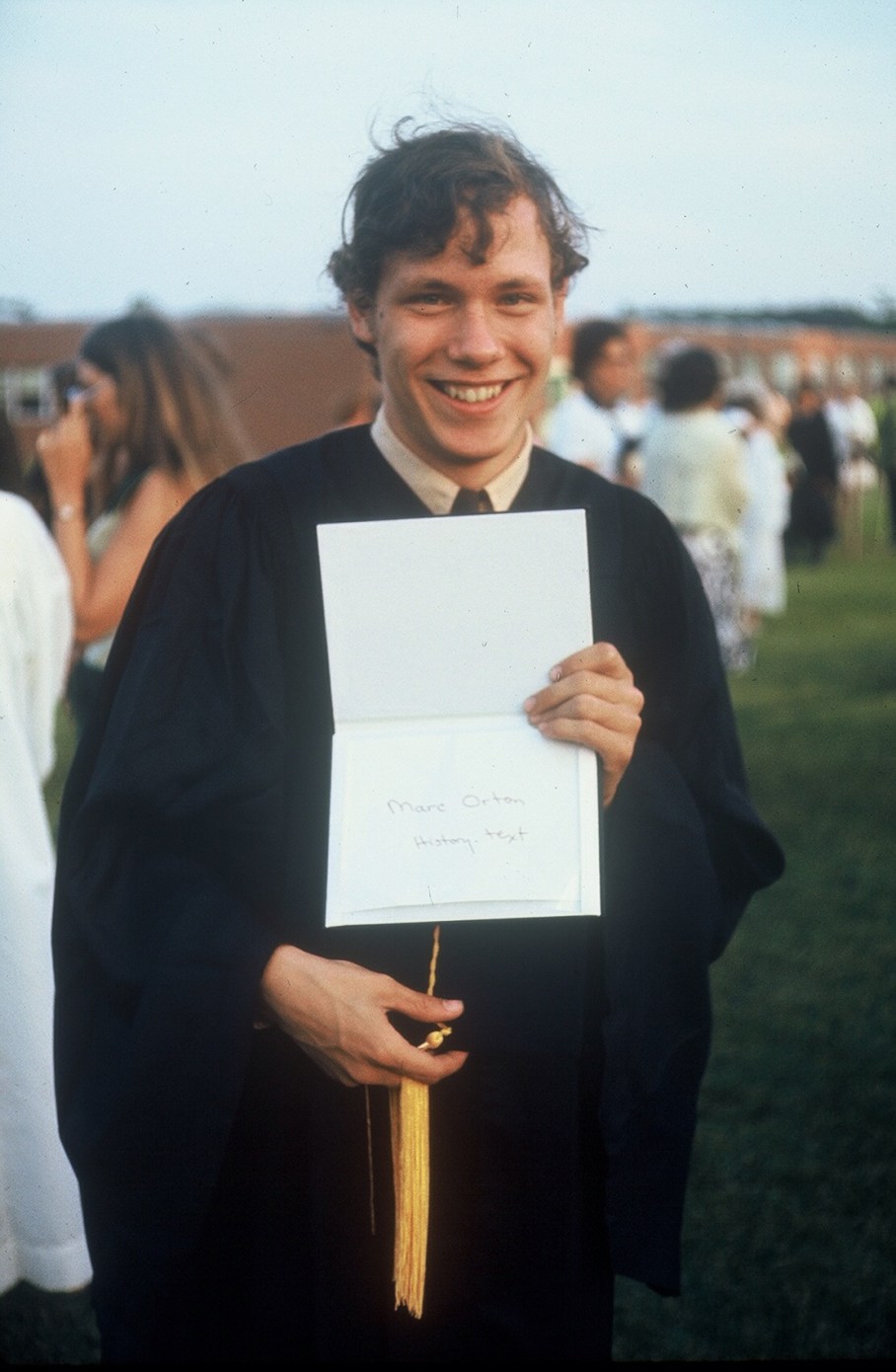
In my Senior Year, I had a number of life-changing things happen. I was the lead in the Senior play, All-State Chorus, I met and started to date the love of my life, I worked at Charlie’s Brother in the weekends, picked apples in the Fall and I wrote for the school newspaper. I told my parents I was going to Mercer County Community College and study communications media. As I walked the hallways and May turned to June, there was a certain feeling that came over me. This would be the last time I would be around most of my classmates. The last time I would eat in the cafeteria, take a school bus, go to a canteen. The last time I would use a hall locker, the last time I would dress for Phys Ed. It can be a little depressing, but it didn’t take long to change my way of thinking and think to the future. By the time graduation day came around I was ready to fly. I had done well grade-wise that year, and had really hit my stride with regard to completing my assignments and contributing to class discussions, excelling in Shakespeare and Film-making. I performed a song at class night, and my parents planned to attend the ceremony the next day. The weather the next afternoon was great. Because Robin’s sister Holly graduated too, she was going to meet me there. Before we left, my parents gave me a gift of a Super 8 mm movie camera.  I don’t remember anything about the graduation — who spoke or what was said to the graduating class that numbered 186. I do recall hearing my name, striding across the stage, shaking hands with Mr. Gary Estat, the principal and Dr. Nunan, the school superintendant. When I got back to my seat I opened my diploma cover to see if they spelled my name right. I was stunned! Instead of a diploma was a hand-written note that simply said “History Text.” I had attending school faithfully for 13 years. Never skipped school and  

 never got suspended like my brothers. And on this one day of celebration, they give me this, obviously in reference to a text book that I didn’t return in time. Only thing was, I had returned it several days earlier, and the new teacher Mrs. Biondi, forgot to check me off. So there’s my father filming me exiting the ceremony with my fellow graduates, and my father calls out to show him my diploma, and I flipped it up with a grin on my face. The next day, I angrily marched into the classroom and told her what had happened. She insisted I hadn’t and she went through the inventory only to find it after all. Embarassed, she said she would go to the office get me my diploma right then, which she did. Forty years later, I never did see most of my classmates after that day. I did return back to the school periodically to see Robin who attended the next two years. Little did I know but just five years later, I would end up being a teacher myself in a public high school, attending four graduations as a member of the faculty.

Pets Too

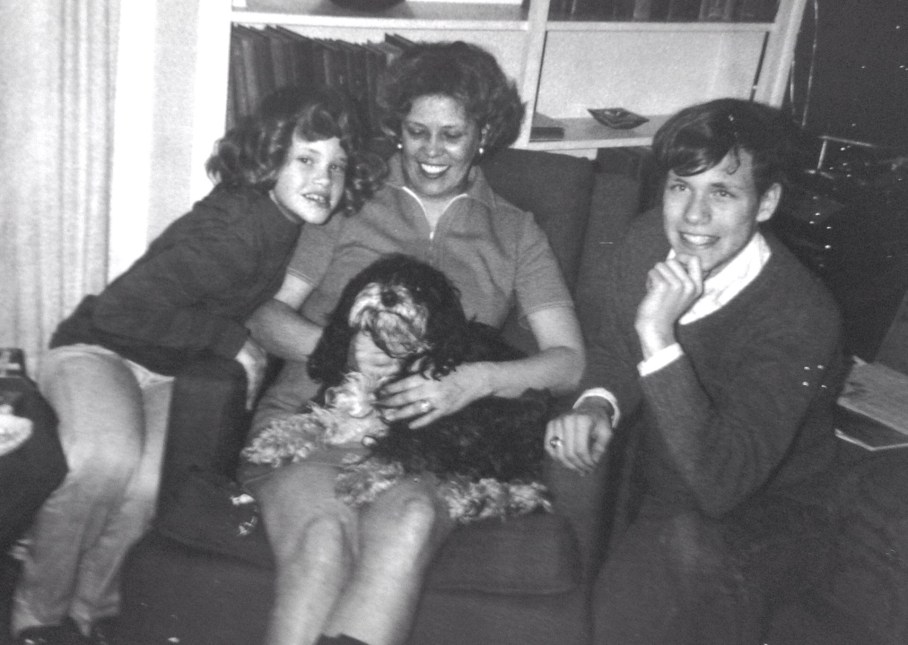
As we grew into teenagers, we always had a menagerie of pets. At the time in suburban New Jersey, the only dogs that were caged or tethered were dangerous dogs. Friendly dogs like our Irish Setter mix Gizmo pretty much had the run of the town. He would follow us where ever we went, to school, into the town, and everybody knew him. I remember one angry woman calling Dad and complaining that Gizmo kept on bothering her dog who was in heat. Dad said to her if she was insisting he tether Gizmo, he would rather put him to sleep, because all the dog knows is freedom and would be miserable not being able to roam. Thankfully she backed down. As we sensed Gizmo was getting older, we went to a mixed-breed puppy mill called J.P. O’Neil’s on Route #1 in Princeton. We were interested in getting a smaller lap dog that Lisa would like. We selected a “Miniature Old English Sheepdog,” which is not a real breed. We named her Maudie, and she was a great dog. She did in fact look like a small version of a hairy sheepdog. She was black and white, had hair over her eyes, mustache, long hair all the way down to her big feet.  Extremely cute, smart, with a great personality. We allowed her to have a litter with a toy poodle and the result were seven puppies as cute as her, puppies we had no problem selling or giving away. However, Mom discovered that Maudie was a high maintenance breed. Because she was part poodle, her hair had to be trimmed periodically, and the amount of hair she had affected her rectum and our ability to find fleas and ticks — a daily chore in the summer. We taught her to lay down, which was a riot because she literally looked like a little rug. When we taught her to play dead, she obliged with only her little stubby tail wagging. Maudie was also featured in a play at school. She played in “Camelot,” and got a standing ovation. She was fantastic! One stormy evening we discovered Gizmo could no longer move, and so we took him to the vet’s office to have him put to sleep. We then got a another small puppy and called her Poco. Poco was smart and also had a great personality. One day while Kent was outside with the puppy, Mom came out of the house and got in her car to go on an errand. As she backed out of the driveway she heard a yelp and stopped the car. Kent then told her she just ran over and killed the little dog. Needless to say, Mom, Kent, and the entire family were very upset. We immediately went out and got another puppy, this one we were more careful of, but the new dog was as dumb as a box of rocks. We named her Echo and she and Maudie would be with us for the next trying years. A blessing indeed.


All State Chorus

In the early Fall of 1970, Mr. Corelli, our boy’s and advanced chorus teacher approached a few of us and asked us to try out for All-State Chorus. I knew I had a pretty good voice but I wasn’t sure I could compete for a spot at that level. He took some time and coached us a few days on what we were going to be singing during the audition. We would be given a single starting note and, a capela, asked to sing two scales, from low to high and back in half steps. At the end, we should end on the same note we started with. They weren’t concerned about tone so much as our ability to stay on key. We were then challenged to sing a short segment, again a capela, that demonstrated our tone and range so we could be correctly catagorized – Bass, Baritone, or Tenor for boys. There were a number of us who competed, and in the end, two seniors, and four juniors were selected. I was so proud to be a part of it. It’s important to mention the quality of music education in New Jersey was one of best in the country. Maybe it was its proximity to New York City and Philadelphia, or the fact that it was a highly-taxed state with relatively high household incomes that could afford it, or it had a disproportionate number of well-read citizens. One thing is certain, New Jersey has a number of successful musicians: Bruce Springsteen, Jon Bon Jovi, Frank Sinatra, Count Basie, Clint Black, George Clinton, Donald Fagen, Debbie Harry, Lauryn Hill, Whitney Houston, Janis Ian, Ice-T, Jonas Brothers, Les Paul, Queen Latifah, Paul Simon, Patti Smith, The Four Seasons, Sarah Vaughn, and Dionne Warwick

My high school did not have a football team, and I wasn’t ever going to try out for any sport, for me this was the equivalent of getting a varsity letter. New Jersey, being shaped like a bowling pin, was always separated by North and South Jersey. The Princeton area where I lived was usually lumped into being either Central or South Jersey. So for three Saturdays we all got in a van and traveled down to Audubon High School to rehearse with half the singers. We had to learn twelve songs. Very intricate songs that had, at some points, ten part harmonies. Two of the pieces we were to perform with the All-State Orchestra. It was awesome singing with that caliber of singers all around you. I was in no way a stand out singer in the group, but I felt I held my own. The fourth rehearsal was held with both North and South Jersey contingents together. What a rush it was to get all 300 kids together, and when we first heard ourselves with the orchestra, it gave me goosebumps. On Saturday, November 7, 1970 we performed at Convention Hall in Atlantic City, the same place where Miss America was crowned. I was excited because I was sharing a room at a hotel with a classmate, a first for me. He was Mark Spurgiesz, a jock with a fantastic bass voice. I was also happy that my family was going to see the performance that evening. There was no sheet music for the singers, so on stage we could look out and watch the audience. I looked out but couldn’t see them anywhere. Just when I was about to grin and bear it and after the orchestra was into its second piece, I noticed the doors opening up in the back and saw my family come in. Mom was hobbling for some reason, but they were all there, Lisa in tow. The rest of the concert went exteremely well. Dad took us all out for dinner afterwards, and the story was that Mom was dancing at a Unitarian Church function, and she fell on her elbow and broke it. Against doctor’s orders, she insisting on making the long and painful trip to Atlantic City to see me sing. The second concert we gave was the next weekend at Symphony Hall in Newark. I will never forget the sound of those voices, that phenomenal orchestra, and the experience of being a part of it. My take-away from this experience was that you reach your highest potential when you surround yourself with those that are better than you. If you are around good, decent, and positive-minded people, you will be a better person. If you want to produce videos, be a great teacher, or be a successful musician, find a way to be exposed to the highest level of practitioners of that skill. A person that is exposed at that level will either get a wake-up call that they’re not as good as they thought (big fish, small pond syndrome), or they will become motivated by the challenge to be better on a world-class playing field. I still have the LP of the concerts we perfomed in 1970. To this day, when ever I hear it, I’m brought back to that time, when I transcended to a higher plane, and feel again the pride and enthusiasm of being a part of it. I cry almost every time. 


This experience shaped how I prepared my own kids for their chosen fields years later. I made sure they gained exposure to practictioners at the highest level. I sent my son Drew Orton to learn the music business in New York with successful music producer and friend Carl Sturken, and sent daughter Emily Orton Bonner to learn drama and writing with Second City in Chicago.